Why it's called De La Riva guard
Before it was De La Riva guard it was the “pudding guard”. The surname was given to it by the newspapers, after a win nobody expected.
BJJ Square · Updated on 08/11/2026
Ricardo De La Riva Goded, from Rio de Janeiro, a student of Carlson Gracie, black belt since 1986. In a gym full of heavyweights he was the small, flexible one: getting over the top of him was everybody's pastime. So he built an open guard, with the hook on the opponent's lead leg, to survive the passers at home.
In the academy they called it “guarda pudim” — pudding guard — because it made the base wobble for anyone trying to pass.
The christening came from the newspapers
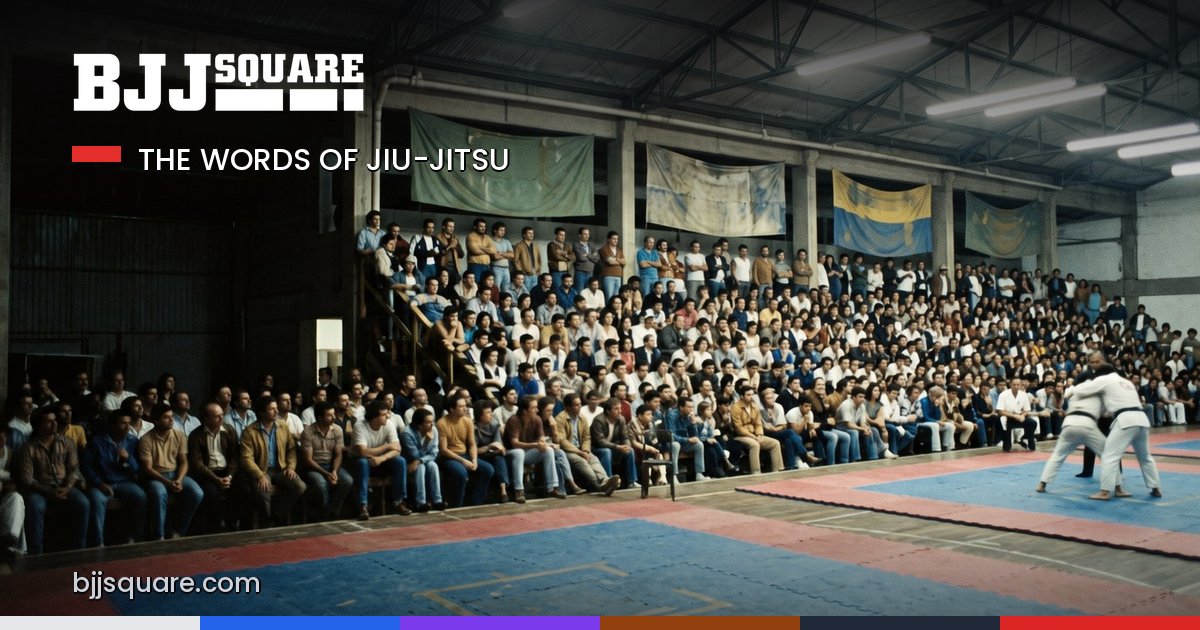
At the Copa Cantão De La Riva beat Royler Gracie, unbeaten until then, using that guard. After that win it was the sports press that started calling the position by his surname — and it never left.
Note The year swings between 1985 and 1986 depending on the source, and the two dates appear in the same publication on two different pages. The official bracket for that Copa Cantão cannot be found: until it turns up, the date stays approximate.
This one does not come out of nowhere either
Earlier uses are reported in judo, under the name of Oda Tsunetane. I have not found confirmation in a Japanese source, so I report it as a pointer and not as a fact — but it is consistent with everything else: in jiu-jitsu the “new” position is almost always a position somebody else had already done, elsewhere, without anyone noticing.
What it produced
Twenty years later, out of the variations of this guard, Samuel Braga developed the berimbolo. The two most identifiable positions in modern jiu-jitsu come from the same starting point: a light man trying not to get crushed.
Why “pudding guard” was a better name
*Guarda pudim* says what it does: it destabilises, it makes you shake, it does not hold. “De La Riva” only says who was using it. Jiu-jitsu, as almost always, chose the surname — and lost a better and more useful word.
The other words you will hear at the gym, explained one by one: BJJ glossary.
Frequently asked questions
- Who is Ricardo De La Riva?
- A Brazilian jiujiteiro born in Rio in 1965, a student of Carlson Gracie and a black belt since 1986. The guard that carries his name was born to make up for the weight difference with his training partners.
- Why did they call it “pudding guard” at the gym?
- Because it made the base wobble for anyone trying to pass it. “Guarda pudim” was the in-house nickname, before the newspapers adopted the surname.
- When was the name “De La Riva guard” born?
- Between 1985 and 1986, after the win over Royler Gracie at the Copa Cantão. The available sources do not agree on the exact year.
- What is the relationship between De La Riva guard and the berimbolo?
- The berimbolo comes out of the variations of De La Riva guard: Samuel Braga started rolling under his opponent when the opponent backed away to defend the hook.
Share this guide
We are on Instagram
The gyms on the map, the history of jiu-jitsu and the stories behind the names of the techniques.
Follow @bjjsquareRead next
- Who names jiu-jitsu techniquesAlmost never the people who invented them. Often not even the people who used them. Behind the names of these holds sit four rules that have been repeating for more than seventy years.
- Why it's called the berimboloThe name does not come from the capoeira berimbau. And it was not even born in Brazil: it arrived later, from America, when the position was already almost ten years old.
- BJJ glossary: the words you will hear at the gymJiu-jitsu is spoken in a mix of Portuguese, English and Japanese. Here is what the things you hear in your first few weeks mean.