Competing
How a tournament works, how points are counted, how weight divisions work — and when a first competition makes sense.
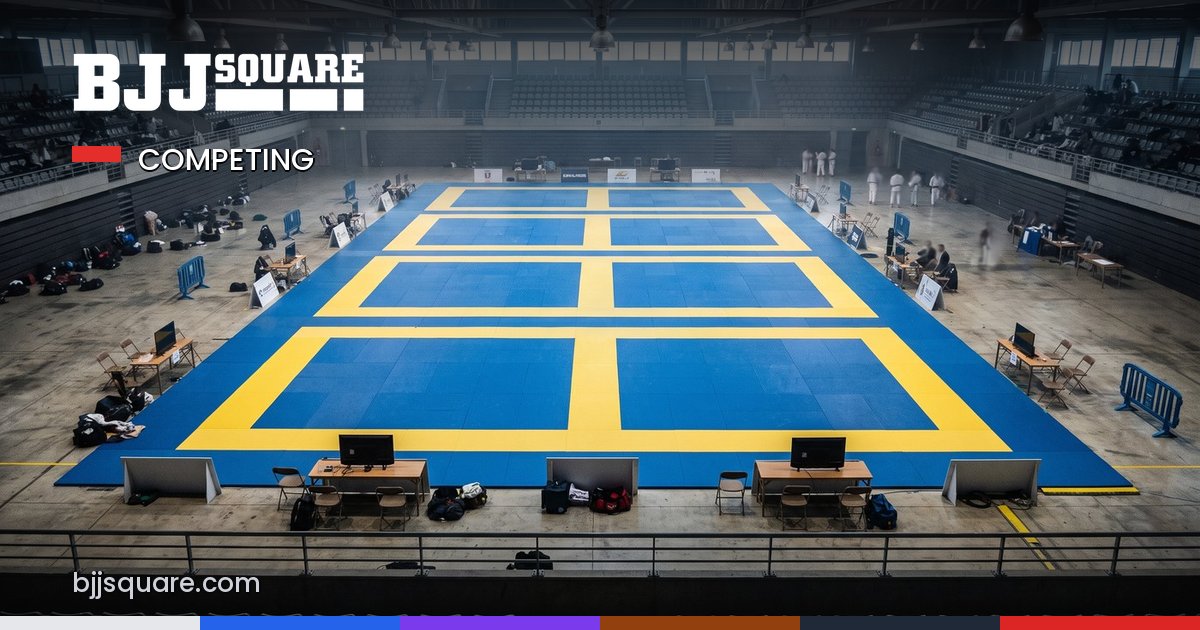
How a BJJ competition works, from entry to medal
A competition day is 90% waiting and 10% jiu-jitsu. Knowing how it works takes away almost all the first-time nerves.
Read
Points in BJJ: what each position is worth, and what advantages are
Two points for the takedown, three for the pass, four for the mount. But the rule that decides the most matches is none of these: it is the three seconds.
Read
Illegal techniques by belt and age: the IBJJF table
“What belt can do a toe hold?” is the question that gets five different answers in any gym. The real answer is a six-column official IBJJF table, and this is it.
Read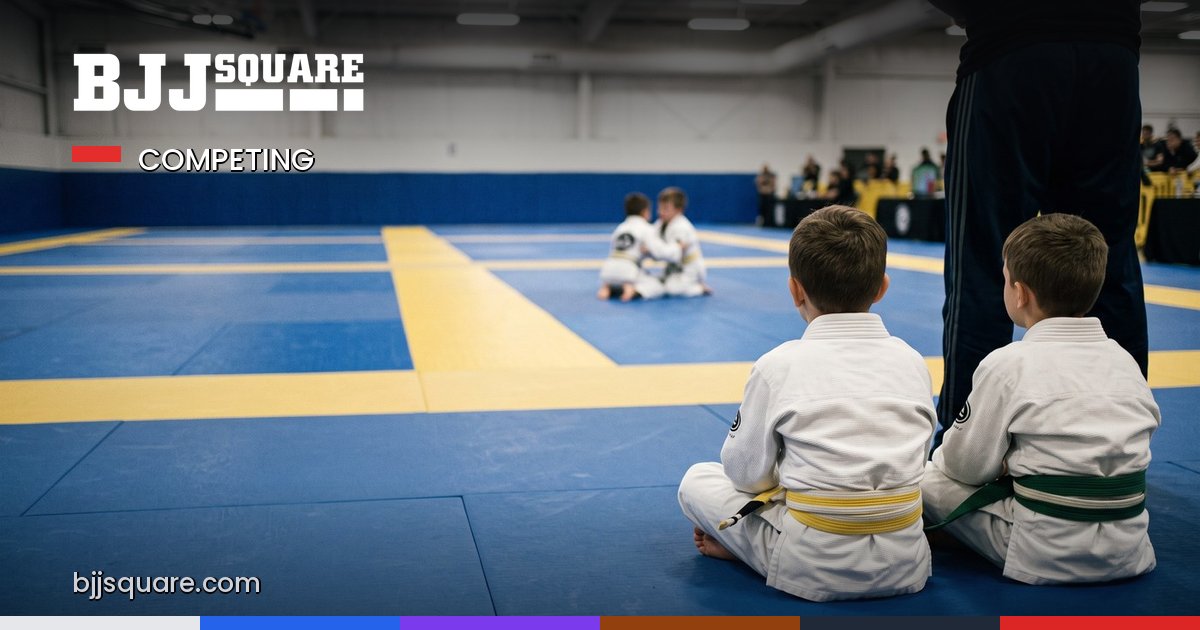
BJJ competitions for kids: divisions, match times, what's banned
A seven-year-old doesn't compete under adult rules: the match is shorter, the list of legal techniques is different, and even the penalty count changes. Here's what the rulebook actually says.
Read
Penalties and disqualifications: losing a match without being submitted
Most matches a beginner loses don't end in a submission: they end with four penalties on the board, almost always for things nobody mentioned at the gym.
Read
BJJ weight classes, and why you weigh in with your kimono on
The number you read in the table is not your weight: it is your weight with the kimono on. It is the mistake that costs the most disqualifications at a first competition.
Read
The first competition: when it makes sense, and how you actually prepare
Nobody feels ready for a first competition, and waiting to feel ready is the best way never to do one. The useful question is a different one.
Read
IBJJF, ADCC, AJP: who runs what, and why the rules change
There is no such thing as “the jiu-jitsu rulebook”. There are different organisations with different ideas about what ought to be rewarded — and the differences are not details.
Read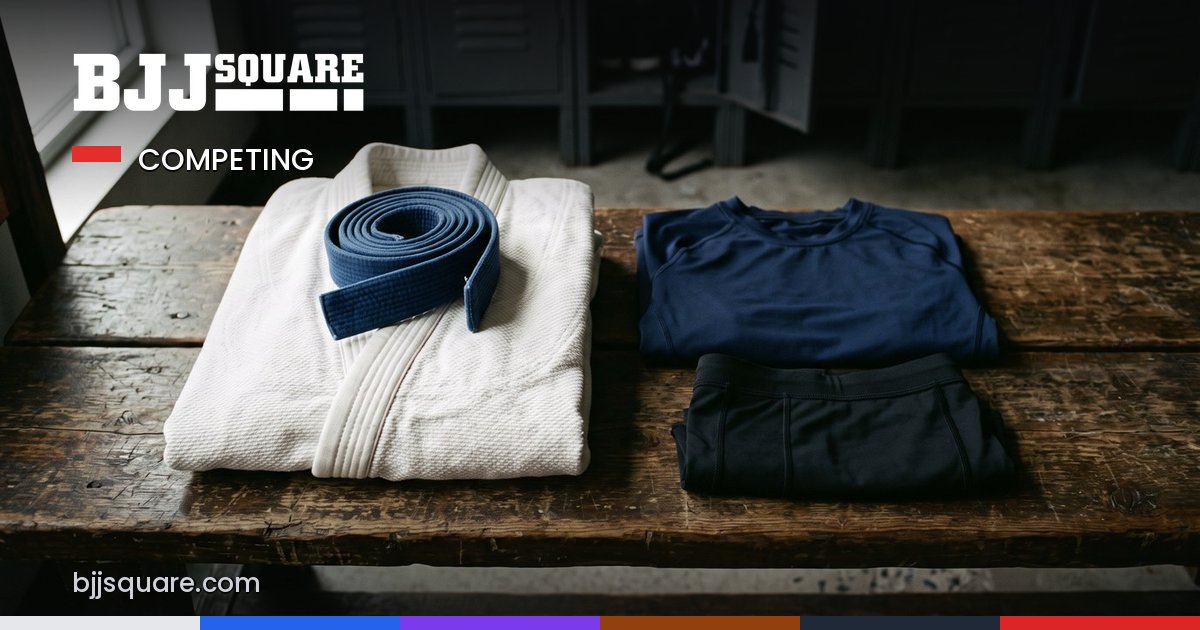
Competing with the gi or without: two different sports on the same day
The differences that look like nuances in the gym become decisive in competition: the pace changes, who controls changes, and even the weight you have to make changes.
Read
What it costs to compete: the items to budget for
The entry fee is almost never the heaviest item. The real bill comes from the travel, the membership and the medical — and none of these appears on the event page.
Read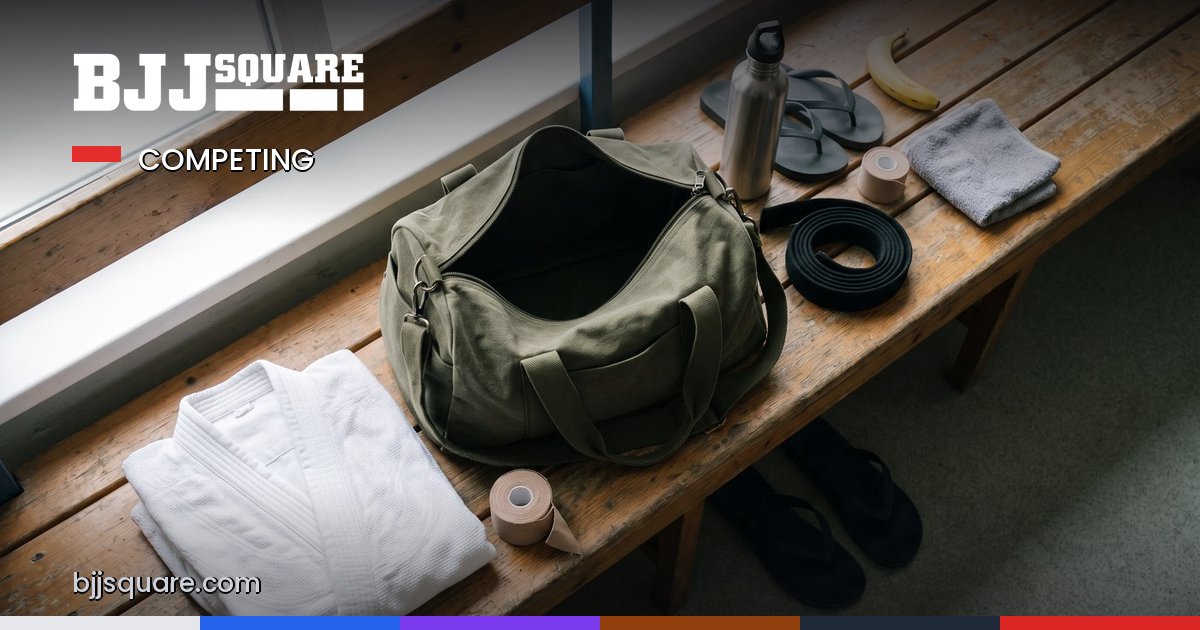
What to put in your bag on competition day
You will spend far more hours in that sports hall than you will on the mat. Pack the bag for the waiting, not for the five minutes of matches.
Read