Gear
Your first gi, sizes that don't match between brands, how to wash it so it lasts, and what you actually need beyond that.
How to choose your first gi
The first piece of advice is not to buy one straight away. The second is that almost everything you read about choosing the fabric counts for less than how it fits you.
Read
Gi sizes: why your A2 is not the same as another brand's
There is no standard. The very same A2 label, on two different brands, can fit people who differ by fifteen centimetres.
Read
The gi in competition: the measurements that fail the check
Two centimetres. That is the tolerance between the wrist and the end of the sleeve, and every year it sends home people who had trained six months for that competition.
Read
How to wash the gi so it lasts (and how much it shrinks)
There is one thing all the manufacturers agree on, and it is the one almost nobody follows: the gi does not go in the tumble dryer.
Read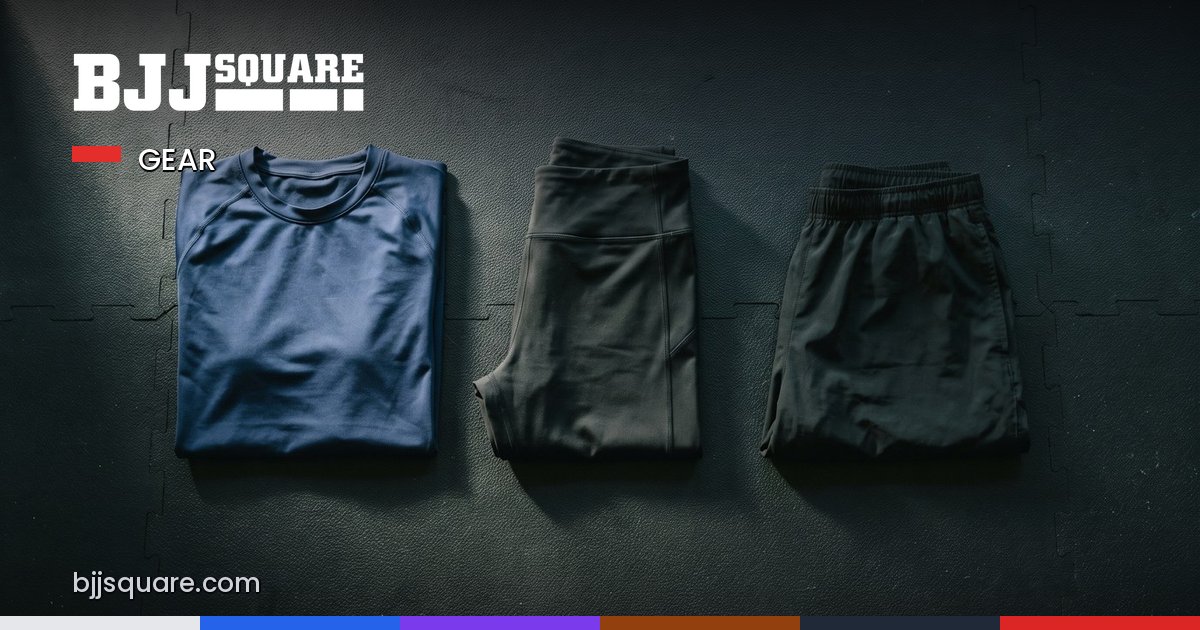
Rash guard, spats and shorts: what you need for no-gi
You need very little, and it costs less than a kimono. But in competition even that very little has precise rules — including the ones about pockets.
Read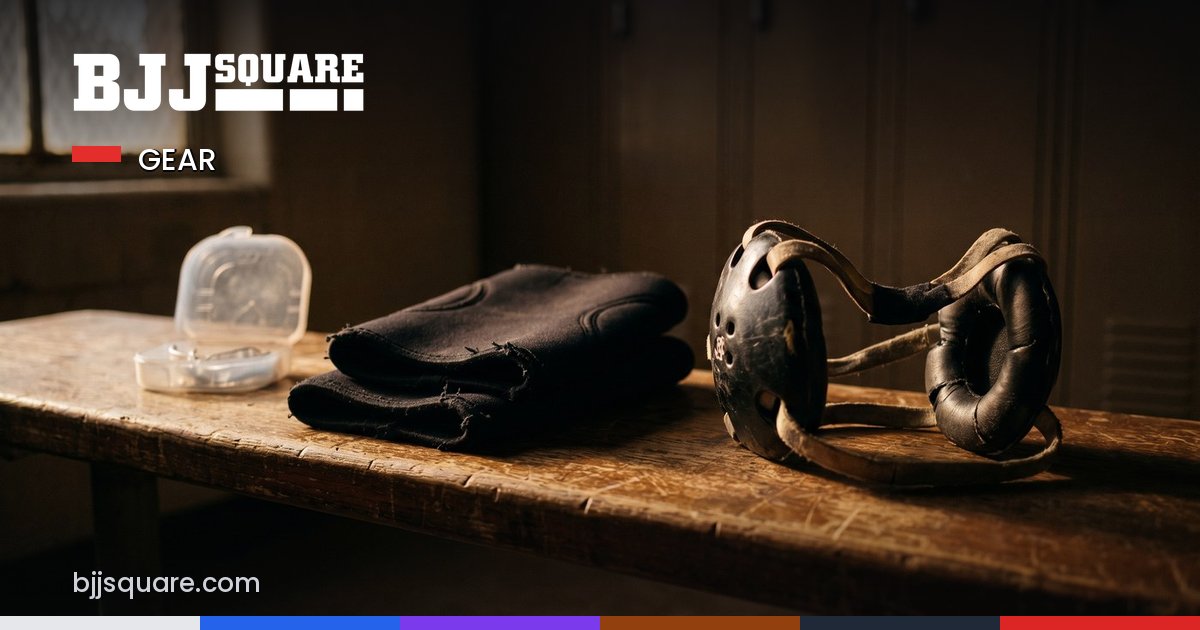
Mouthguard, knee pads, ear guards: what you need and what is allowed
There is one piece of protection the evidence supports and the rulebook bans, and one the rulebook does not even mention while the trauma data says to wear it.
Read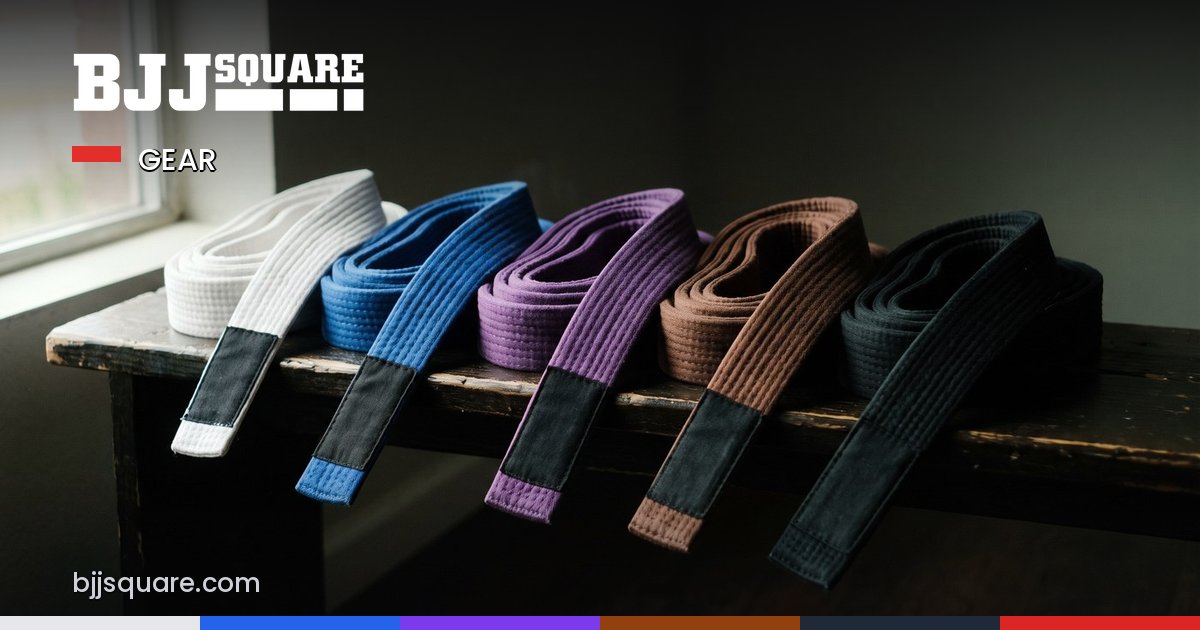
The belt: how it is tied, and why the story that you never wash it is false
The white belt that turns black through years of training is a good story. It is not true, and to see why you need only look at the colour that comes after white.
Read